Long-term RV parks in Arizona offer an ideal winter home base by providing consistent warm weather, premium full-hookup utility infrastructure, structured social activities, and cost-effective monthly rates designed specifically for seasonal snowbirds and retirees. Every winter, an influx of seasonal residents transforms the region; in fact, Canadian snowbirds alone contribute approximately $1.4 billion annually to the state’s economy. Finding the proper community requires evaluating geographical preferences, park infrastructure, and financial structures. Securing the right extended stay RV parks ensures a stable, comfortable, and engaging winter retreat.
Key Takeaways
- Secure reservations at popular winter destinations six to twelve months in advance to navigate high seasonal demand.
- Prioritize parks that offer robust, practical amenities like reliable high-speed Wi-Fi, modern laundry facilities, and accessible fitness centers.
- Review monthly rate agreements carefully, as extended stays typically require guests to pay for their own metered electricity.
- Seek out communities with active social calendars to maximize engagement and build networks with fellow retirees.
Selecting the Right Location for Long Term RV Parks in Arizona
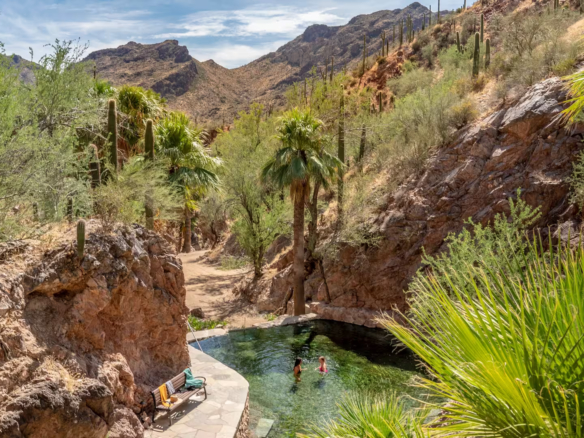
Arizona presents distinct geographic zones that dramatically influence the winter camping experience. Travelers must align their destination with their specific lifestyle preferences and weather tolerance. The lower-elevation deserts of Yuma, Phoenix, and the broader Valley of the Sun provide the warmest winter climates, rarely seeing freezing temperatures. In contrast, slightly higher elevations like Tucson or Apache Junction offer cooler, crisp evenings paired with spectacular mountain views and immediate access to extensive hiking trails.
The proper location also depends heavily on external conveniences. Retirees should map the distance from their prospective RV park to essential services, including preferred grocery chains, specialized medical facilities, and regional airports. Geographic placement ultimately dictates the daily rhythm of the season, ensuring that both outdoor recreation and urban amenities remain within comfortable reach.
Evaluating Infrastructure at Extended Stay RV Parks
Months-long residencies demand robust physical infrastructure to support comfortable daily living. A weekend campground simply cannot compare to the logistical support of a true long-term community.
Prospective residents must evaluate foundational site elements before booking:
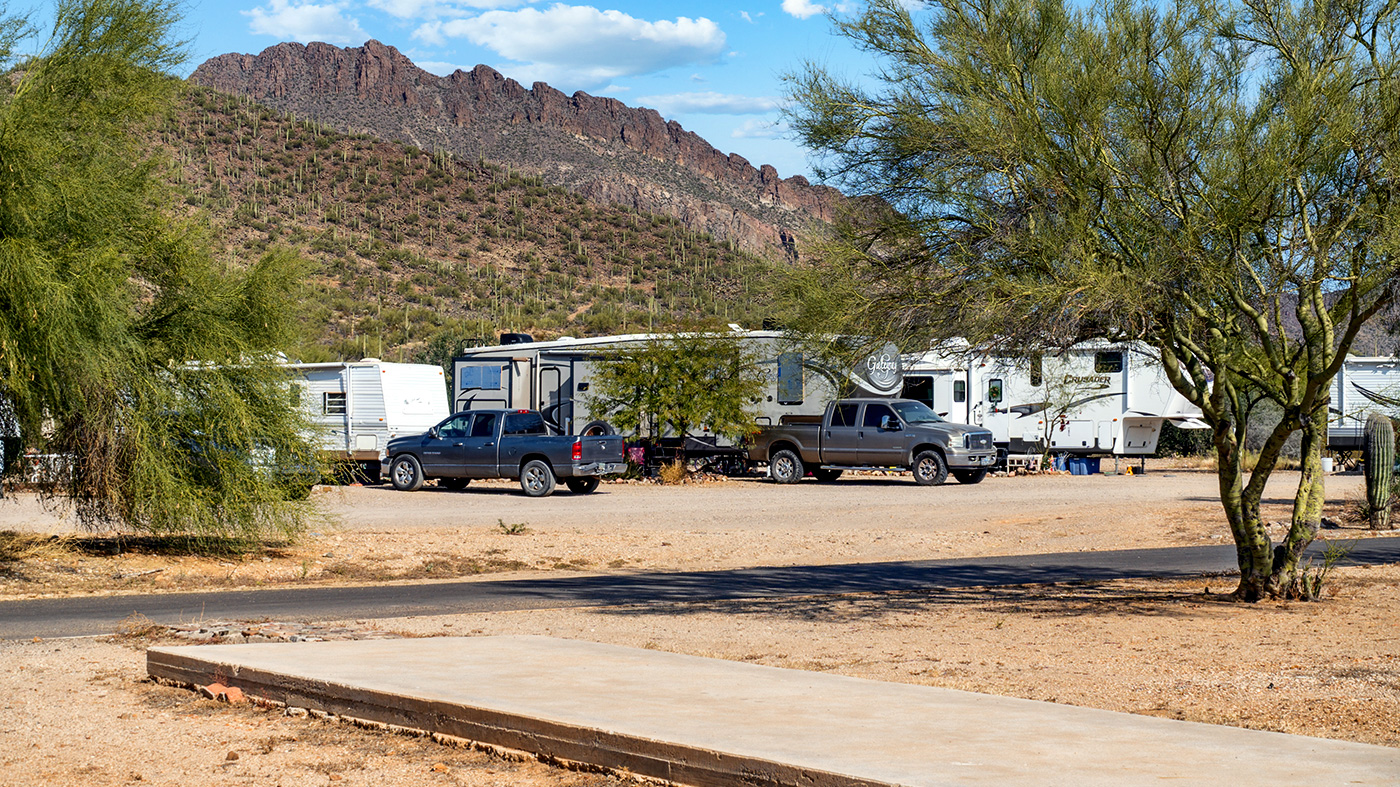
- Level Concrete Pads: Prevents heavy rigs from settling unevenly over a multi-month stay.
- Wide Interior Roads: Accommodates the wider turning radiuses of large Class A motorhomes and fifth wheels.
- Reliable 50-Amp Service: Essential for handling modern, continuous heating and cooling demands.
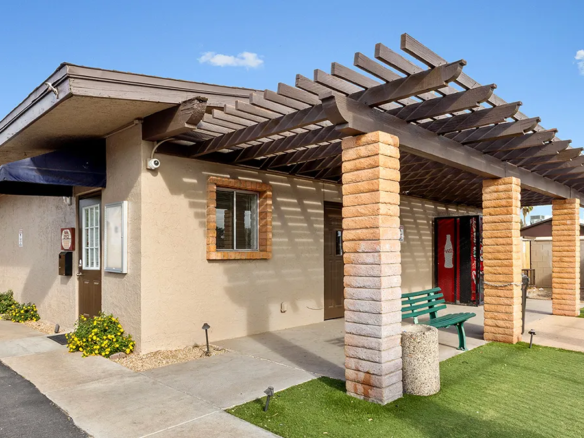
Beyond the physical site, practical utilities elevate the overall living experience. Extended stay RV parks that invest in commercial laundry facilities, reliable high-speed internet, and secure mail-forwarding systems provide a seamless transition from a traditional home. Evaluating these elements guarantees the resort can sustain the demands of a prolonged winter season.
Fostering Community and Social Engagement
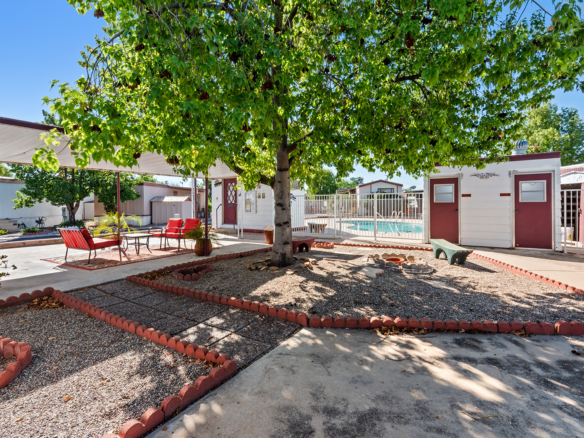
Retirees consistently emphasize the importance of strong social networks when establishing a winter home base. Quality long-term RV parks in Arizona actively cater to this demographic by providing organized events and dedicated recreational facilities. Active adult communities frequently feature pickleball courts, dedicated craft or woodworking rooms, and large central clubhouses.
These shared spaces serve as the focal point for neighborhood interaction. Property management teams often coordinate weekly entertainment, fitness classes, and holiday potlucks. Active participation in these structured activities helps combat the isolation that sometimes accompanies seasonal travel, allowing snowbirds to quickly build lasting friendships and establish a reliable support system within the park.
Navigating Monthly Rates and Utility Structures
A successful seasonal escape requires a clear understanding of long-term billing practices. Nightly or weekly rates generally bundle all costs together, but monthly pricing models operate differently. The industry standard for extended stays involves a base lot rent that covers water, sewer, and trash collection, while electricity usage is metered and billed separately.
Guests should ask management for a detailed breakdown of the utility expectations before signing a seasonal contract. A thorough review of deposit requirements, cancellation policies, and typical electrical rates for previous winter seasons allows for accurate budgeting. Transparent financial structures allow snowbirds to settle into their winter routine without encountering unexpected monthly expenses.
Plan Your Extended Stay with Comfort Communities
Secure a reliable winter home base. Comfort Communities operates premium long-term RV parks across Arizona, providing guests with full-hookup sites, active social calendars, and highly accessible geographic locations.
Review our seasonal rates and reserve your site early to guarantee a comfortable desert retreat this season.
Frequently Asked Questions
How far in advance should I book long term RV parks in Arizona?
The peak snowbird season runs from November through April, driving massive demand for premium sites across the state. Travelers should book reservations six to twelve months in advance to guarantee availability, especially if they require a specific site size or location within the park.
Do extended stay RV parks meter electricity separately?
Yes, most resorts require guests staying 30 days or longer to pay for their exact electrical usage. Management reads the meter at the individual site each month and adds the specific utility cost to the standard monthly lot rent.
Are there age restrictions at Arizona snowbird RV communities?
Many popular winter resorts cater specifically to the 55+ demographic to cultivate a quiet, retirement-focused atmosphere. However, numerous all-age communities also successfully accommodate seasonal retirees alongside remote workers and traveling families, offering a wider variety of neighborhood dynamics.